
Peptides vs. Proteins: What’s the Difference?
Introduction
If you’re new to biology or peptide research, you’ve probably come across the terms peptides and proteins. Since both are made from amino acids, they may seem almost identical at first. However, they differ in size, structure, and biological roles.
Understanding these differences is an important first step for anyone interested in life sciences, laboratory research, or molecular biology. In this guide, we’ll explain the basics in a simple and easy-to-understand way.
Table of Contents
- What Are Peptides?
- What Are Proteins?
- Key Differences Between Peptides and Proteins
- How Are They Formed?
- Why Are They Important?
- Comparison Table
- Frequently Asked Questions
- Conclusion
What Are Peptides?
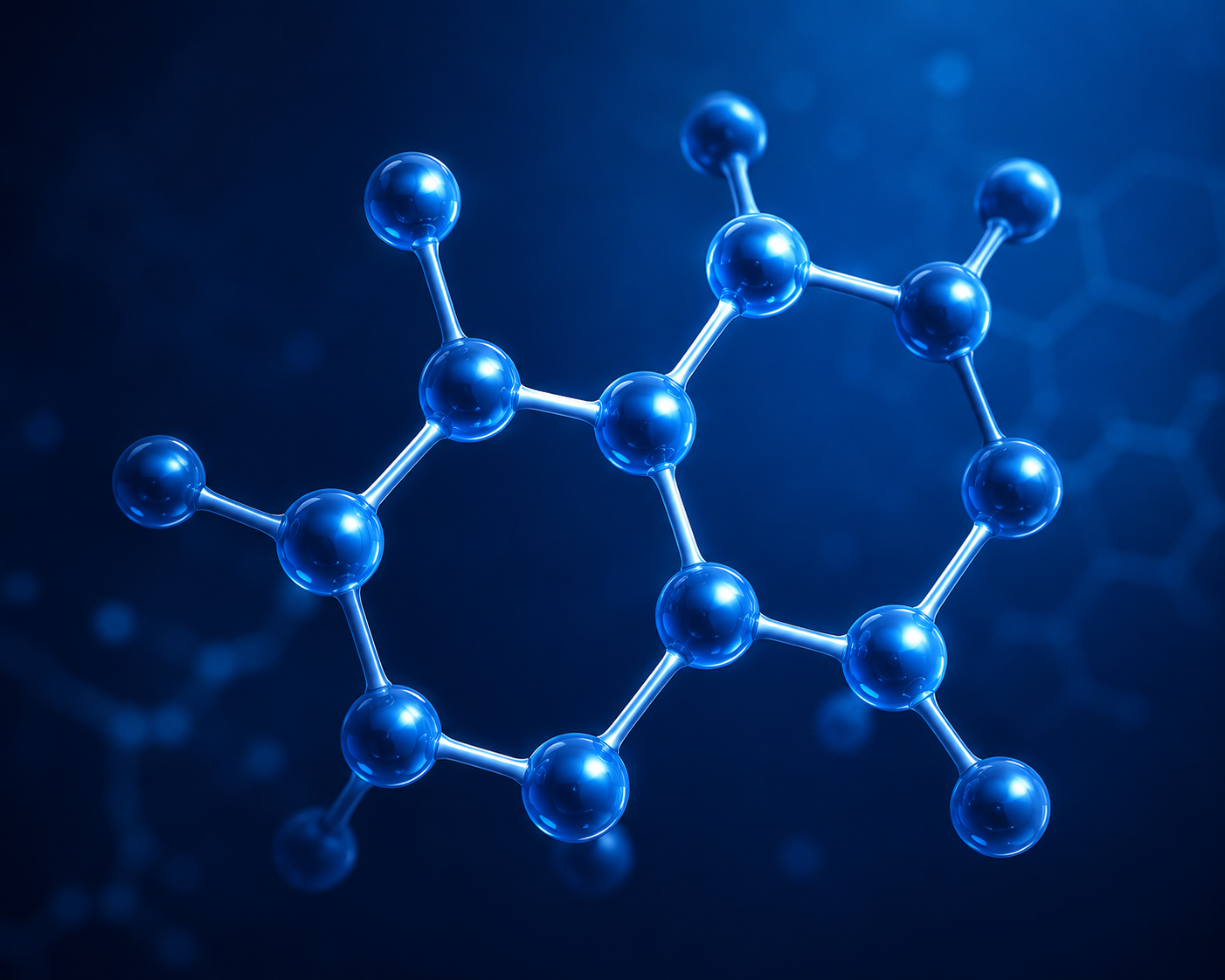
Peptides are short chains of amino acids linked together by peptide bonds. They are generally smaller than proteins and often act as signaling molecules that help cells communicate.
Many peptides occur naturally in living organisms and participate in various biological processes. Because of their unique characteristics, peptides are widely studied in laboratory and scientific research.
What Are Proteins?
Proteins are larger molecules made from long chains of amino acids. After these chains are formed, they fold into complex three-dimensional structures that allow them to perform a wide variety of biological functions.
Proteins are found in every living cell and play essential roles in growth, structure, transport, and countless cellular activities.
Key Differences Between Peptides and Proteins
Although peptides and proteins are closely related, they have several important differences.
Size
Peptides are much shorter than proteins. A peptide usually contains a relatively small number of amino acids, while proteins consist of much longer chains.
Structure
Peptides often have simpler structures, whereas proteins fold into complex shapes that determine how they function.
Function
Peptides commonly act as signaling molecules, while proteins perform a much broader range of biological tasks, including structural support, transportation, and enzymatic activity.
How Are They Formed?
Both peptides and proteins begin with amino acids.
When amino acids join together through peptide bonds, they first form short chains known as peptides. As these chains become longer and fold into complex structures, they are generally classified as proteins.
This relationship explains why peptides are often described as the building blocks that can contribute to larger protein structures.
Why Are They Important?
Peptides and proteins are essential for understanding biology and life sciences.
Researchers study them to explore topics such as:
- Cell communication
- Molecular biology
- Protein interactions
- Laboratory biotechnology
- Biological signaling pathways
Their study continues to improve scientific knowledge and supports ongoing research in many areas of biology.
Peptides vs. Proteins Comparison
| Feature | Peptides | Proteins |
|---|---|---|
| Size | Small | Large |
| Amino Acid Chain | Short | Long |
| Structure | Simple | Complex |
| Biological Role | Often involved in signaling | Wide range of biological functions |
| Research Focus | Cell communication and molecular studies | Structure, enzymes, transport, immunity, and more |
Key Takeaways
- Peptides are short chains of amino acids.
- Proteins are longer and more structurally complex.
- Both are made from amino acids connected by peptide bonds.
- Peptides often participate in cell signaling.
- Proteins carry out many different biological functions.
- Both are important subjects in laboratory research and life sciences.
Frequently Asked Questions
Are peptides and proteins the same?
No. Peptides are shorter chains of amino acids, while proteins are longer molecules with more complex structures.
Which is larger, a peptide or a protein?
Proteins are generally much larger than peptides.
Are all proteins made from peptides?
Proteins are built from amino acid chains. As these chains become longer and fold into complex structures, they are generally classified as proteins.
Why do scientists study peptides and proteins?
Researchers study them to better understand biological processes, cell communication, molecular interactions, and many other aspects of life sciences.
Where are peptides and proteins found?
Both occur naturally in living organisms and are essential components of biological systems.
Conclusion
Although peptides and proteins share the same basic building blocks, they differ in size, structure, and biological function. Understanding these differences helps build a stronger foundation in biology and laboratory science. Whether you’re beginning your learning journey or exploring peptide research, knowing how peptides and proteins relate to one another is an important step toward understanding modern life sciences.
Read more: Peptides vs. Proteins: What’s the Difference?